About Nigeria
Nigeria is an expansively diverse West African nation with over 200 million people, abundant oil reserves, developing industries, and rich cultural traditions across more than 250 ethnic groups.
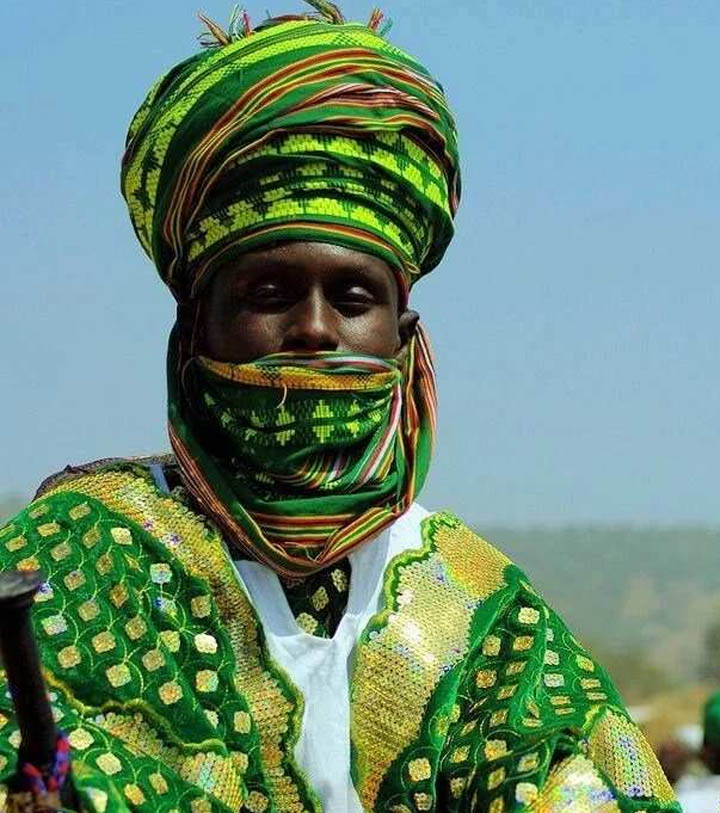
Nigeria has over 250 ethnic groups with diversity in language, food, and culture across regions. Key groups include the Igbo, Hausa-Fulani, Yoruba, Ijaw, and others. Many Nigerians have kept historical tribal traditions alive while also adopting more modern practices.
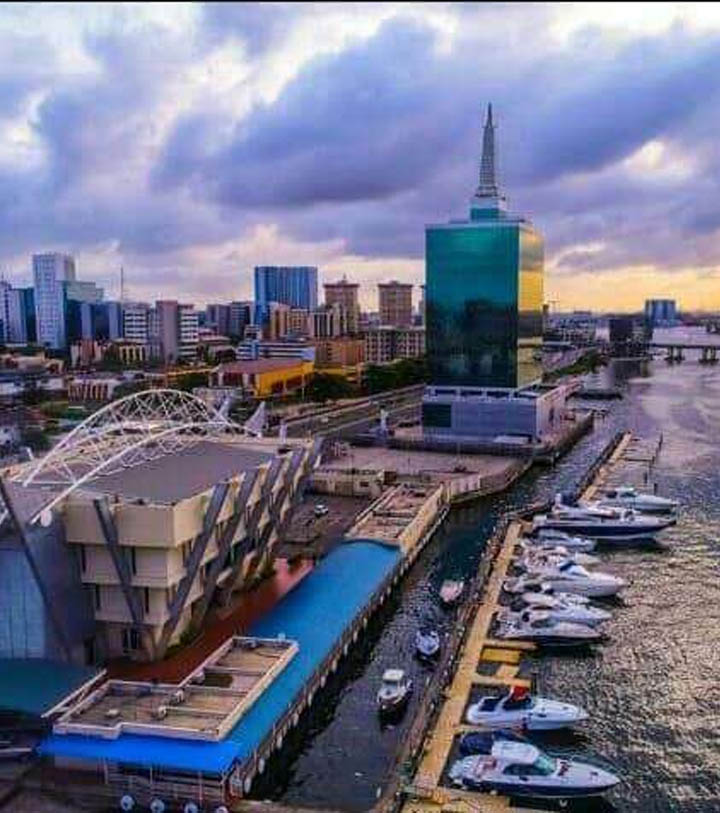
Popular destinations include Lagos and the coastal beaches along the Atlantic, the mountainous eastern highlands, national parks containing wildlife like lions and elephants, historic sites like the museums and monuments of Benin City, and cultural attractions like the northern city of Kano.
Nigeria has one of Africa's largest economies thanks to an abundance of natural resources, especially oil and gas. However, the majority of Nigerians still rely on agriculture and small trade for livelihoods. Rapid urbanization is also driving growth in industries like finance, services, transportation, telecoms and construction. The government is working to end dependence on oil and diversify the economy.
Nigeria has great potential as an investment destination thanks to a large domestic market of over 200 million people, rapidly expanding industries, and increasing consumer purchasing power. Key areas for investment include agriculture, mining, oil and gas, manufacturing, financial services, transport, construction and retail/wholesale trade. The government offers incentives like tax breaks and trade zones to attract foreign investment.
Nigeria has extensive natural resources, especially oil and natural gas, concentrated in the Niger Delta. Nigeria has the largest oil and gas reserves in Sub-Saharan Africa. Key exports are petroleum, oil, cocoa beans, rubber, timber, tin ore, coal, wood, hides and skins. Other natural resources that remain underdeveloped include iron ore, limestone, niobium, lead, zinc and arable land for agriculture. The mining sector only accounts for 0.1% of GDP currently and is ripe for more investment.
Tourism
Nigeria is blessed with several tourist locations.
Nigeria offers a wide variety of tourist attractions such as extended and roomy rivers,
beaches ideal for swimming as well as other water sports. The country also has
attractions ranging from the unique wildlife, vast tracts of unspoiled nature ranging
from tropical forests, magnificent waterfalls, to new rapidly growing cities, and
climatic conditions that are particularly conducive for holidaying. Other attractions
include traditional ways of life preserved in local customs.
Also available are rich and varied handicrafts and other colorful products
depictive or illustrative of native arts and lifestyle, as well as the authentic
unsophisticated but friendly attitude of many in the Nigerian population. Many of these
attractions are however still largely untapped. Visitors in search of fun, exotic, or
adventurous experiences are encouraged to visit to enjoy and benefit from these
wonderful offers.


Invest in nigeria
Your guide to investment in nigeria
Nigeria has great potential as an investment destination thanks to a large domestic market of over 200 million people, rapidly expanding industries, and increasing consumer purchasing power. Nigeria's GDP exceeded $510 billion in 2014 after rebasing calculations, making it Africa's largest economy. GDP has been growing at an impressive rate above 6% annually.
Key areas to invest in include agriculture, mining, oil and gas, manufacturing, financial services, transport, construction, and retail/wholesale trade.
Investors can take advantage of incentives like tax breaks and trade zones. Supportive financial institutions and government agencies like the Nigerian Investment Promotion Commission (NIPC) facilitate investments.
Looking for information?
Contact us
Tafawa Balewa House, Central Business District, Abuja
(+234) 9 52365 223
Need help ?